
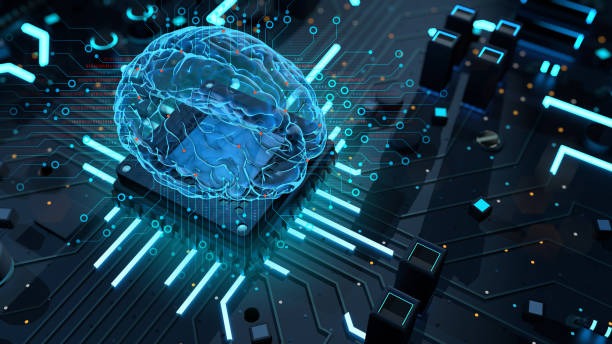
In the ever-evolving landscape of technology, a fascinating intersection has emerged where creativity meets artificial intelligence. This confluence is most vividly exemplified in the realm of image generation AI, a revolutionary tool that transforms textual descriptions into stunning visual representations. The concept, though rooted in complex algorithms and machine learning models, offers an intuitive experience for users: input words and witness their metamorphosis into images that capture imagination and evoke emotion.
At the heart of this technological marvel lies the principle of creative alchemy—an enchanting process that turns abstract ideas into tangible wonders. Image generation AI systems leverage vast datasets to understand nuances in language and context, enabling them to produce visuals that are not only accurate but also artistically compelling. These systems employ sophisticated neural networks trained on millions of images to discern patterns, styles, and elements that resonate with human aesthetics.
The implications of such technology extend far beyond mere novelty. For artists and designers, it provides an expansive canvas limited only by imagination. Instead of laboring over sketches or digital designs from scratch, creatives can articulate their visions through descriptive text prompts and refine them using AI-generated imagery as a foundation or inspiration. This fusion facilitates a new era of artistic collaboration between humans and machines—a partnership where each complements the other’s strengths.
Moreover, Image generation AI democratizes art creation by making it accessible to those who may not possess traditional artistic skills but have vivid imaginations they wish to express visually. It lowers barriers for entry into creative fields while expanding opportunities for storytelling across diverse media platforms—from marketing campaigns enriched with bespoke visuals to immersive virtual worlds crafted from simple narrative seeds.
Yet amidst its promises lie challenges inherent in any burgeoning technology. Ethical considerations regarding copyright infringement arise when AI models inadvertently replicate existing artworks without attribution or consent. Additionally, there are concerns about bias within training datasets influencing output quality or perpetuating stereotypes unintentionally embedded within generated content.
To navigate these complexities responsibly requires ongoing dialogue among technologists, artists, ethicists—and society at large—to ensure ethical standards keep pace with innovation’s rapid strides forward.
As we stand on this cusp between wordcrafting wonderment through code-driven creativity versus purely organic artistry rooted solely within human minds’ musings—it becomes evident how transformative potentialities await exploration ahead!
In conclusion: embracing collaborative synergy offered via cutting-edge advancements like image-generation AIs could herald unprecedented possibilities redefining boundaries traditionally separating linguistic expressionism from visual splendor; ultimately forging pathways toward richer cultural landscapes encompassing myriad forms borne out collective ingenuity harnessed harmoniously together!