
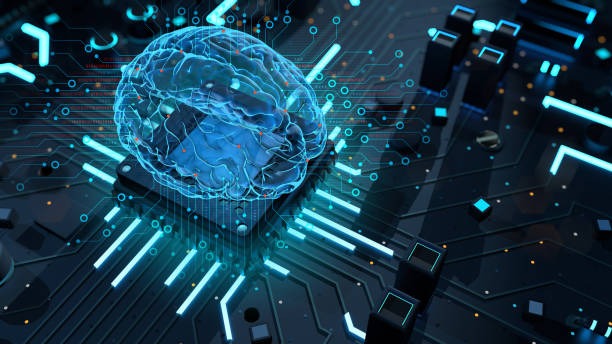
In recent years, the advent of artificial intelligence (AI) has significantly transformed various sectors, with image creation and design being no exception. The integration of AI into these fields is not merely an enhancement but a complete redefinition of how we perceive and create visual content. By leveraging machine learning algorithms and neural networks, AI tools have introduced unprecedented possibilities that challenge traditional methods and expand creative boundaries.
At the heart of this transformation is the ability of AI to generate images from scratch or modify existing ones with remarkable precision and creativity. Tools such as Generative Adversarial Networks (GANs) have become instrumental in this process. GANs consist of two neural networks: a generator that creates images and a discriminator that evaluates them for authenticity. Through continuous iteration, these networks produce highly realistic images that can mimic human-created art or photography.
This capability has profound implications for designers and artists. With AI, they can explore new styles, experiment with different aesthetics, and push the limits of their imagination without being constrained by technical skills or time limitations. For instance, AI can automate routine tasks such as background removal or color correction, allowing designers to focus on more complex aspects of their work.
Moreover, AI-driven design tools democratize access to high-quality design resources. Individuals without formal training in graphic design can now use intuitive platforms powered by AI to create professional-grade visuals effortlessly. This accessibility fosters inclusivity within the creative industry by enabling diverse voices to contribute unique perspectives.
However, while Image generation AI creation is largely positive, it also raises ethical concerns regarding originality and ownership. As machines become capable of generating art indistinguishable from human creations, questions arise about who holds intellectual property rights over such works—an issue that remains largely unresolved in legal frameworks worldwide.
Furthermore, there is apprehension about potential job displacement as automation becomes more prevalent in creative roles traditionally occupied by humans. Nonetheless, many experts argue that rather than replacing artists and designers entirely; AI will serve as an invaluable tool that complements human creativity—a co-creator rather than a competitor.
The fusion between artificial intelligence and image creation heralds a new era where reality itself is reimagined through digital lenses; one where creativity knows no bounds yet demands thoughtful consideration around its impact on society at large—from ethical dilemmas surrounding authorship rights down towards ensuring equitable opportunities across all spectrums involved within this rapidly evolving landscape shaped significantly today under influences brought forth via advancements seen happening continually throughout technological domains impacting us globally alike!